In urban areas, rain can become a serious issue if drainage systems are inadequate. Flooding, damaged infrastructure, and traffic disruptions are often the result of poor stormwater management. But how does such a system actually work, and why is it so important?
1. What is a stormwater drainage system?
A stormwater drainage system collects rainwater from roofs, roads, parking lots, and other surfaces, channeling it into drains, rivers, or treatment facilities. Its main purpose is to prevent water accumulation and reduce the risk of flooding.
Key components of the system include:
- surface drains and pipelines,
- stormwater manholes,
- oil and sediment separators for water treatment,
- channels directing water into natural waterways or retention basins.
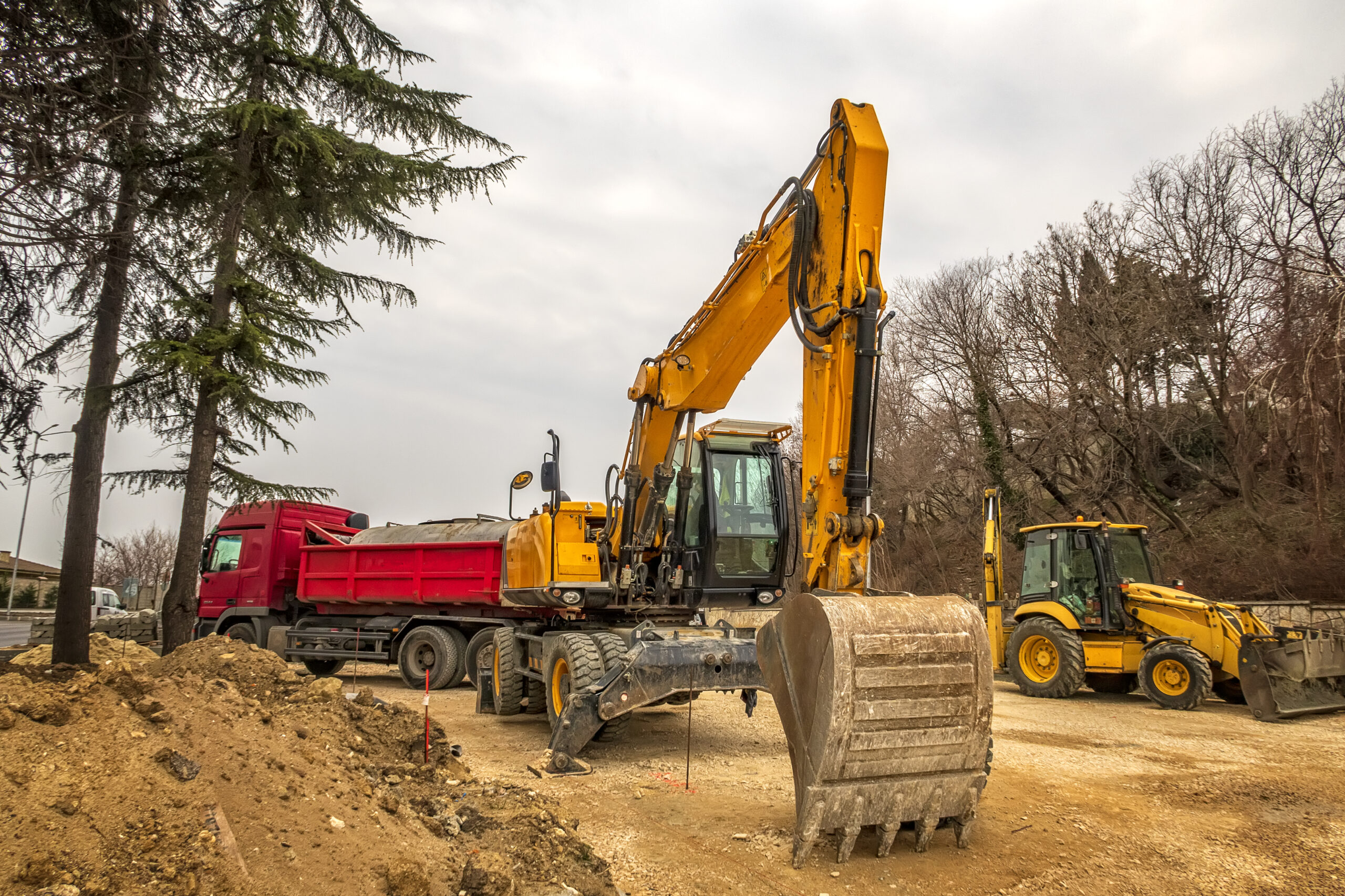
At PNG 53, every road, sewer system, and piece of public infrastructure is planned to ensure flawless drainage—without improvisation and always on schedule.
2. Why Is It Crucial in Urban Projects?
- Prevents flooding: Without an adequate system, streets and homes can flood even after moderate rainfall.
- Protects roadways: Standing water damages asphalt and increases the risk of accidents.
- Preserves the environment: Treatment systems prevent oil, sand, and other waste from ending up in rivers and lakes.

3. Smart Planning Makes the Difference
- A good drainage system is not just a pipe beneath the street. It requires:
- Analysis of slopes and water flow,
- Sufficient capacity for extreme rainfall,
- Regular maintenance to keep manholes and channels clear.
4. Practical Examples
-
- In cities like Amsterdam and Copenhagen, drainage is an integral part of overall urban design, incorporating green spaces that retain water.
- In Croatia, an increasing number of local municipalities are introducing retention basins and manholes with separators to help reduce flooding in urban areas.

Conclusion
- Stormwater drainage may not be visible, but it is fundamental to a functional, safe, and sustainable city. Without it, rain turns into a problem rather than a natural resource. At PNG 53, every road, sewer system, and piece of public infrastructure is planned to ensure flawless drainage—without improvisation and always on schedule. “Construction without improvisation. On time.”